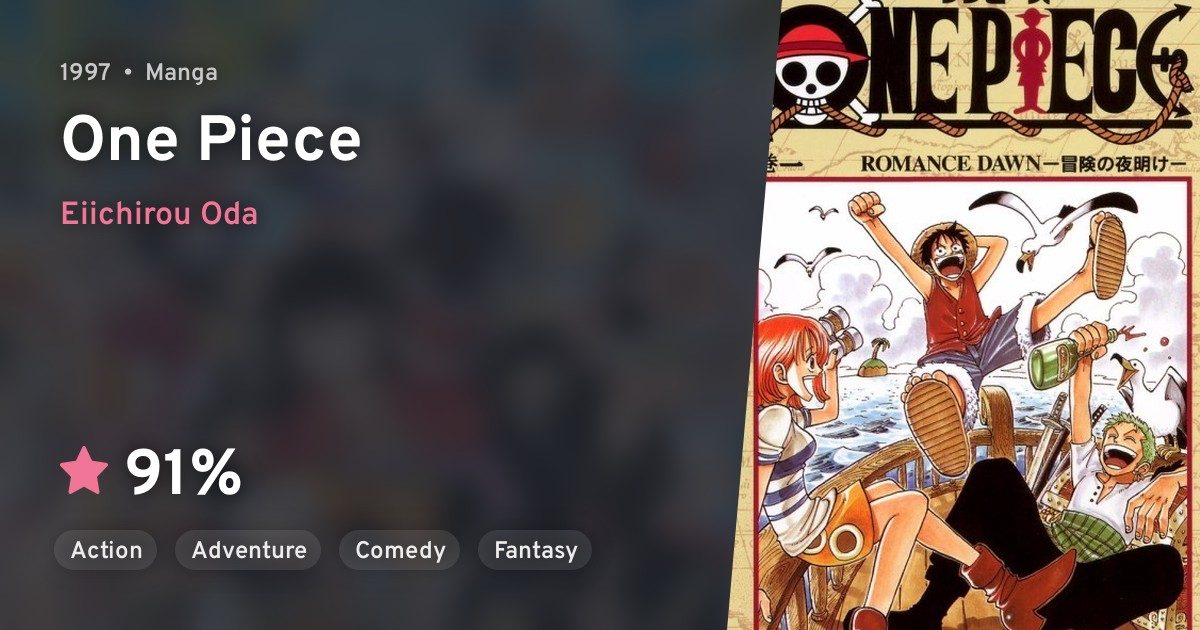
26 years of weekly broadcasts end in a single episode
On December 28, 2025, Toei closed out 26 unbroken years of weekly broadcasts. Episode 1155 dropped the curtain on the Egghead arc — and on an entire production system that had fed Japanese channels a fresh episode every Sunday since 1999. What starts on April 5, 2026, will not look like what ended: 26 episodes a year, two cours, and the Elbaf arc as the first real test of the new system. The question worth answering is not when One Piece returns. It is why now, and what 26 episodes tell us about the ending of the story itself.
What exactly changed: the new schedule from 2025 to 2026
The shift was not sudden. On October 13, 2024, Toei paused broadcasts after episode 1122 and filled the gap with One Piece Fan Letter and a Dolby Atmos remaster of the Fish-Man Island Saga, as if rehearsing the idea of an organized hiatus before adopting it. In October 2025 the full plan was announced, then confirmed on December 21 alongside the return date. Episode 1155 on December 28 closed the Egghead arc. Then came a clean break from January to March 2026.
The April 5 return with episode 1156 opens the first cour of the Elbaf arc within Season 22: 13 episodes ending around June 28, 2026, followed by a second cour later in the year. Total: 26 episodes instead of the previous 40 or 50. In the Arab world, broadcasts arrive via MBC Shahid; internationally via Crunchyroll across EMEA, plus Netflix and ADN.
Toei's official statement: "to accommodate the manga's rhythm"
Toei's official wording is measured down to the word. The new schedule, the company said, will allow episodes to "more fully accommodate the manga's content, rhythm, and plot while preserving the unique narrative capabilities of the anime." Producer Ryūta Koike later added that the decision is a strategic one to support the series' growth and elevation, with a clear intent for each episode to cover a single manga chapter — raising narrative density and bringing the anime's pace closer to Eiichiro Oda's pen, instead of chasing it from a distance.
What the statement does not say is louder than what it does. The 40-to-50-episode model, with long filler stretches between chapters and quiet padding that bloated arcs without payoff, can no longer survive a saga heading for its ending. An implicit admission, in corporate language. For the latest manga turns the anime is trying to catch, our breakdown of chapter 1182 and its tie to the Final Archipelago is a parallel entry into what Toei is now wrestling with.
The deeper reason: labor strain and production pressure across the anime industry
The math Toei is selling looks simple on the surface: 50 episodes of uneven quality, or 26 episodes of consistently high quality. Behind it sits an industry-wide crisis. Working hours in Japanese anime studios are long, wages are low, and talent attrition has become a recurring line in every annual report. The Arabic framing at Anime Arabia caught the heart of the decision: protect quality all the way to the story's last frame.
The Wano arc between 2019 and 2023 was the practical lesson. Persistent filler complaints and pacing wobble taught Toei that One Piece fans will accept waiting — but they will not accept losing the quality. The seasonal model protects the core directing crew — Season 22 is led by Yasunori Koyama and Wataru Matsumi, with the opening Luminous by Aina the End and the ending Sono Mirai by Jisoku 36km — and lets workload be distributed instead of draining animators week after week. The same pressure hits anime distributors outside Japan; Crunchyroll's layoffs and the structural problems of the anime industry is enough to show the crisis does not stop at a single studio's door.
What this means for the Elbaf arc itself: the gap between manga and anime
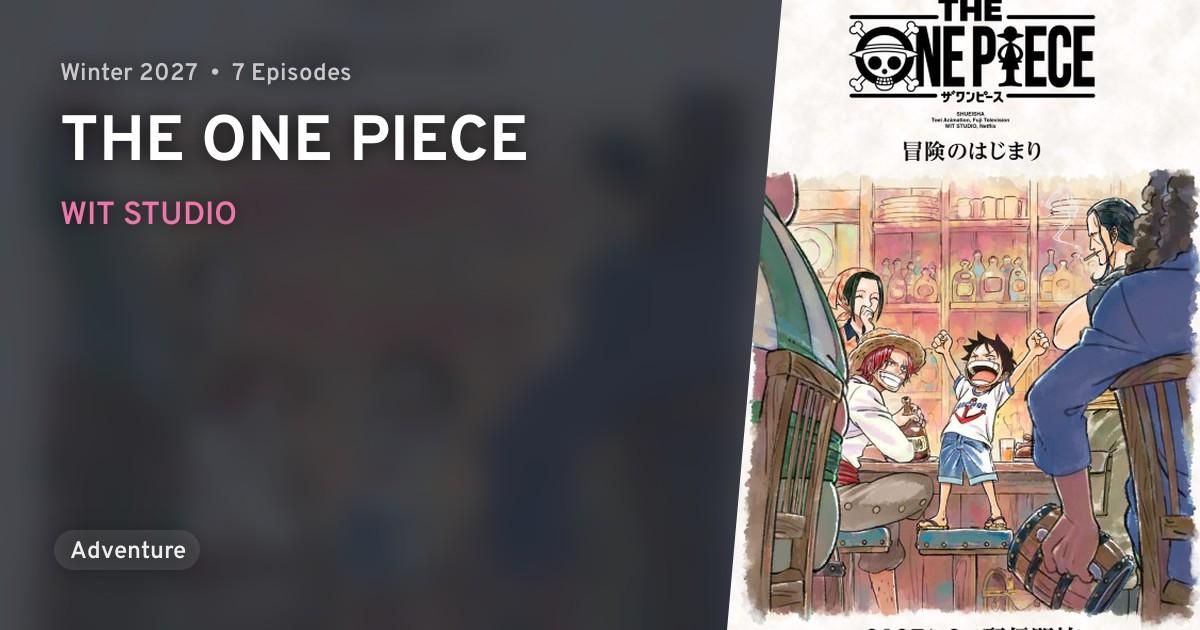
In the manga, the Elbaf arc began with chapter 1126 in September 2024, and by March 2026 it had crossed 50 chapters (roughly through chapter 1176) with more to come. That is a healthy buffer for the anime: enough material for the first cour without strain, and stable ground after years of exhausting pursuit of Oda's freshest chapters.
If Ryūta Koike's "one chapter, one episode" guideline holds, 26 episodes a year means roughly 26 chapters a year. That is slower than Oda's historical average of around 40 chapters a year, but it tracks his current pace in 2024, 2025, and 2026. The first cour, 13 episodes between April and June 2026, is expected to cover opening chapters up to roughly the Holy Knights confrontations or thereabouts.
The biggest side benefit: filler drops to its lowest level since broadcasts began in 1999. Full real-time sync with the manga is not happening before 2027 at the earliest, and the gap may persist through all of the Elbaf arc and beyond. In that context, the most popular manhwa of 2026 by the numbers is a reminder that the field is not waiting around for anyone.
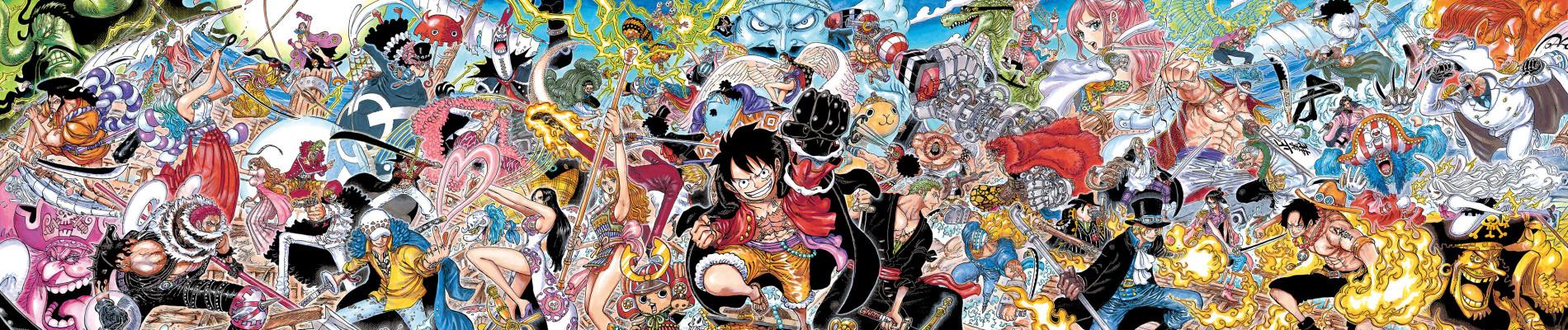
A much bigger signal: Toei is preparing for One Piece's ending
In a 2025 interview with Gosho Aoyama, Oda said he aims to finish the story within roughly three years — around 2028. The framing is clear: One Piece is now in its Final Saga — Egghead behind, Elbaf present, then most likely Laugh Tale and the confrontation with Imu. The new schedule is not a coincidence of engineering.
Assume Oda holds his 26-chapter annual pace in the manga and Toei holds 26 episodes a year. The anime can, in theory, catch up with the manga somewhere around 2029 — right around the story's finale. Put another way: Toei is not just building a 2026 schedule. It is building the road to the ending. That is the precise explanation for the timing of the call now, instead of three years from now when catching up becomes impossible.
The irony is small but real: broadcasts began in 1999 and may end around 2030. Thirty-one years for one story. For the competitive context of the shonen throne, why One Piece's throne remains out of reach explains why this schedule is an industrial event, not just a production note.
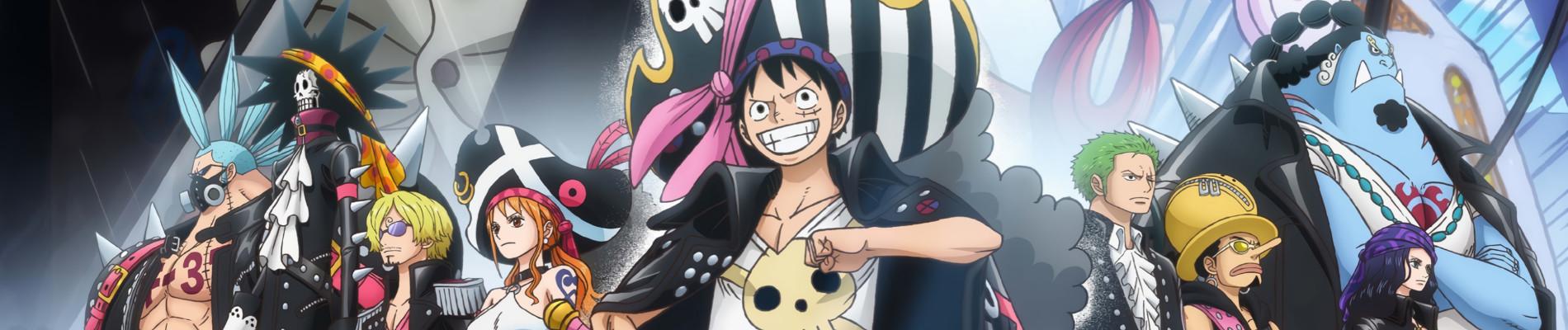
What to watch after April 5, 2026
Three threads are worth tracking once episode 1156 airs. The first is visual: the level of animation in the opener and the density of key cuts in the first ten minutes will tell us whether Toei delivered on the quality promise, or whether the budget went somewhere else in the schedule. The second is structural: the number of chapters actually covered in the first cour will reveal whether "one chapter, one episode" is a hard rule or a flexible marketing line. Fourteen chapters across 13 episodes means promise kept; nine chapters means Toei quietly slipped back into the comfort zone. The third is regional: how Arab fans respond on Shahid and Crunchyroll will decide the future of Arabic localization for the Final Saga — not a statement out of Tokyo.
What happens in April is not a farewell to One Piece. It is a recalibration of its rhythm before the grand finale.